Category

Curanderismo – Ancestral Healing: Community Workshop Recap

Fred

Reclaiming Our Own Time (ROOT) is part of an ever-growing movement to provide resources, support, and spaces for rest and restoration for Black, Indigenous, and Persons of Color movement leaders. ROOT calls for us to reclaim our humanity and return to our ancestral roots through the practice of rest and restoration. In this space, we lift up our elders, healers, guides, artists, and community culture bearers who have been holding our communities through joy, grief, and passing ancestral practices intergenerationally. We believe we must honor our healers by curating spaces where we can center rest and shared practices can emerge.

Yo Soy Mi Propia Curandera (I Am My Own Healer)

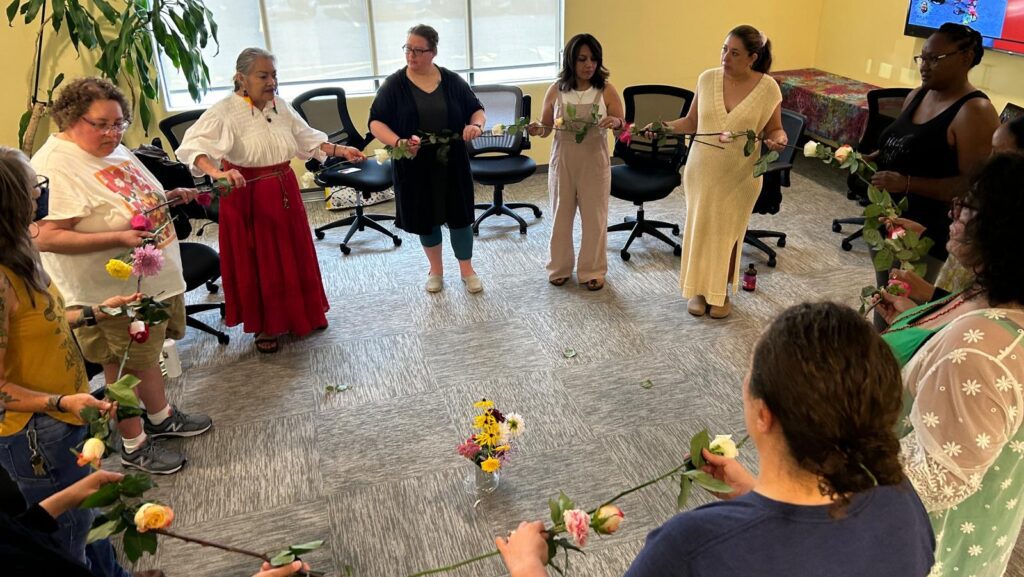
As part of our Heal the Healers circle of support to the rest ecosystem, we were honored to sponsor a community-designed and -led workshop at Nexus. Holding such sacred spaces is part of our commitment to responding to community-identified needs in shared partnership. The workshop “Curanderismo – Ancestral Healing” immersed participants in the rich history of Indigenous Mexican medicine through a guided healing circle and storytelling while sharing tools to continue self-healing care for participants and their communities. Attendees reflected:

“We are all in constant need of healing, and our healers are the bridge that can connect us to that healing. Supporting them with spaces to heal and connect is a beautiful way for us to continue to heal as a community.”

“Supporting healers in our communities is vital because they play a crucial role in maintaining the well-being of others. Healers — whether they are health care professionals, mental health counselors, or informal caregivers — often prioritize the needs of those they serve over their own. This can lead to burnout, emotional exhaustion, and a diminished capacity to provide care effectively. By supporting these individuals, we not only acknowledge their sacrifices but also ensure they have the resources and self-care practices necessary to continue their important work. When healers are cared for, they can better support their families, friends, and communities, creating a healthier, more resilient environment for everyone. Investing in their well-being ultimately strengthens the fabric of our communities, fostering a culture of compassion and mutual support.”

The session was led by Maestra Rita Navarette, an elder from the Otomi Indigenous community of Metaxi, Mexico. She has decades of experience and expertise in many healing modalities, including being a Temazcalera (water pourer for the adobe sweat lodge ceremony), a Huesera (bone setter), a Curandera (healer), and a Maestra (master teacher). She is the director of a school in Jilotepec, Mexico, and has become known as an international leader and teacher. She is one of the elders and instructors for the annual two-week summer conference on Curandersimo at the University of New Mexico in Albuquerque, and she is one of the traditional healing professors at CEDEHC (Centro de Desarrollo Humano Hacia la Comunidad) in Cuernavaca, Morelos.

The workshop was supported by Blanca Martinez Gavina (2023 Bush Fellow), Ana Mariella Rivera (Historias y Huellas Podcast), and Rosalva Mujwid Hernandez (ROOT Co-director, Nexus Community Partners).
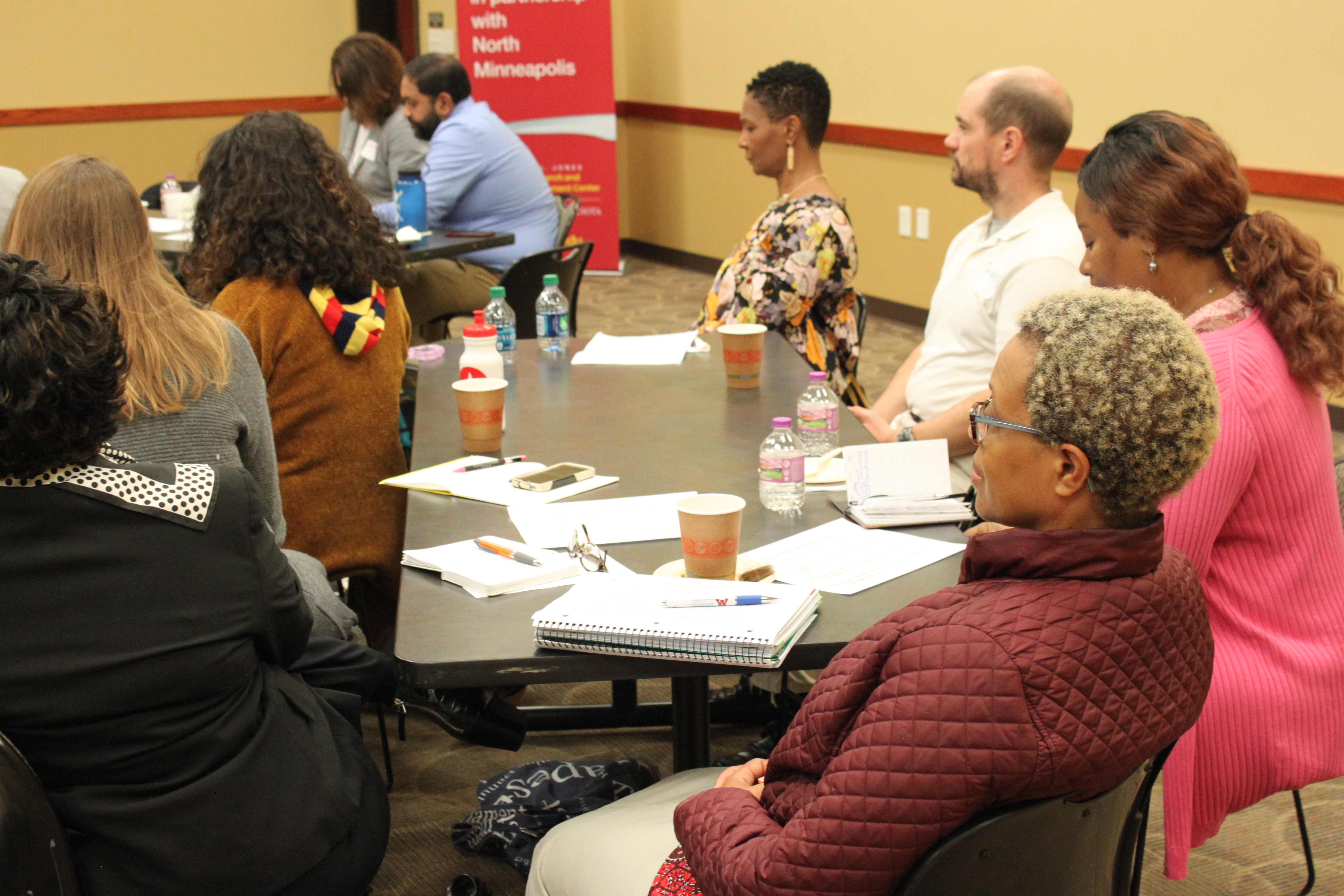
People with deep lived experiences of inequities are actively leading and creating transformation in their own communities, in ways that respect and leverage their cultural ways of knowing and being. The pervasive view of leadership, as extraordinary and hierarchal individuals, reinforces dominant positions of power. Institutions that only rely on this systems-driven analysis often miss seeing and valuing these critical people, forms and patterns of leadership.

Nexus Community Partners supports strong, equitable and just communities in which all residents are engaged, are recognized as leaders and have pathways to wealth building opportunities. We hope to bring people working in different sectors and cultural communities together to lift up absent narratives about leadership. With our Community Storytelling Project partners, our learning community will explore ways we practice community leadership.

Join us to learn more about our virtual and in-person learning opportunities to:

  • Support and explore community-driven leadership that improve the overall health and well-being of a group as defined by those individuals, families, or community members.
  • Develop and share stories of dynamic and cultural practices that support intersectional and relational shared power.

LEARNING COMMUNITY INFO SESSION
Thursday, Feb. 13th
11:00 AM – noon EST / 10:00 – 11:00 AM CST
View the info session slide deck here

COMMUNITY LEADERSHIP LEARNING LAUNCH
Wednesday, Feb. 26th
10:30 AM – Noon EST/ 9:30 – 11:00 AM CST
View the recorded meeting here

Learn more about the CLLI and Learning Community here!

In partnership with Hlee Lee of OMG Media, the East Side Funders Group is launching a series of stories to lift up the amazing business community on the East Side of St. Paul. Check out the first story: Cook St. Paul: From Childhood Memories to Community Collaborations

We all know Serlin’s, it was a staple on the East Side for what seemed like forever, well nearly 70 years. Edmond Charles

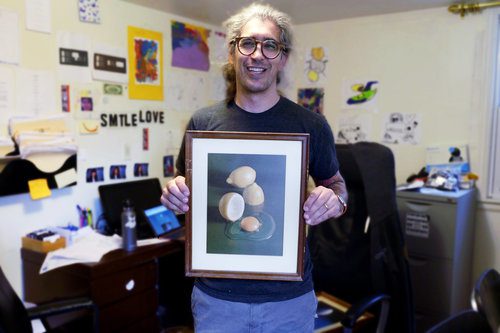
Photo credit OMG Media: Eddie Wu, owner of Cook St. Paul, bought the “weird food photos” from the original owners.

Hansen III, aka Eddie Wu, remembers it too. His father was a firefighter stationed on Payne Avenue.

‘My dad would get off work at the fire station and I would get dropped off there,” Wu said. “I’d help with his side job: washing windows or trimming trees. The deal would be he’d give me $5 but also he’d take me out to eat and usually he’d let me choose. And I could never remember the name of Serlin’s, but I remember the pictures on the wall. Those food pictures. So I would say, ‘Can we go to the place with the weird food pictures?’ And he knew.”

Check out the full story here.

Nexus’ longtime partner and board member, Pakou Hang, executive director of the Hmong American Farmers Association (HAFA), was recently featured in The New Food Economy:

Pakou Hang, 42, was born in Thailand, but she’s been an American for all but two weeks of her life. Hang, the child of Hmong refugees resettled in the United States and grew up in Wisconsin, where her parents supported the family by farming. Today, that history deeply informs Hang’s own work: She’s co-founder and executive director of the Hmong American Farmers Association (HAFA), headquartered on a 155-acre research and incubator farm 15 miles south of St. Paul, Minnesota.

Facing persecution as U.S. allies in the Laotian Civil War and the Vietnam War, more than 100,000 Hmong refugees have relocated to the United States since the 1970s. They brought their agricultural prowess with them. In past decades, Hmong-American farmers helped to pioneer the contemporary local food movement in California and the Midwest, popularizing ingredients like Thai chili peppers and bok choy; today, Hmong farmers account for more than half of the produce sold in St. Paul’s farmers’ markets. Founded in 2011, HAFA helps to sustain that legacy by providing pilot plots, professional training, and a food hub—the key piece of processing and distribution infrastructure that makes doing business possible. 

Hang spoke about her upbringing, her childhood resistance to the farm life, and why she decided to come back home and make agriculture her calling and career.

Read the full story here.

We are so proud to call Pakou a partner, and are excited to see the continued growth and support for HAFA and Hmong farmers both locally and nationally! Cheers to you Pakou!!

How do you effectively tell the story and impacts of authentic community engagement? How can we capture, evaluate and communicate the power of community engagement?

Join us for our next Engaged Learning Series to explore Storytelling & Evaluating Community Engagement with a dynamic panel of community leaders.

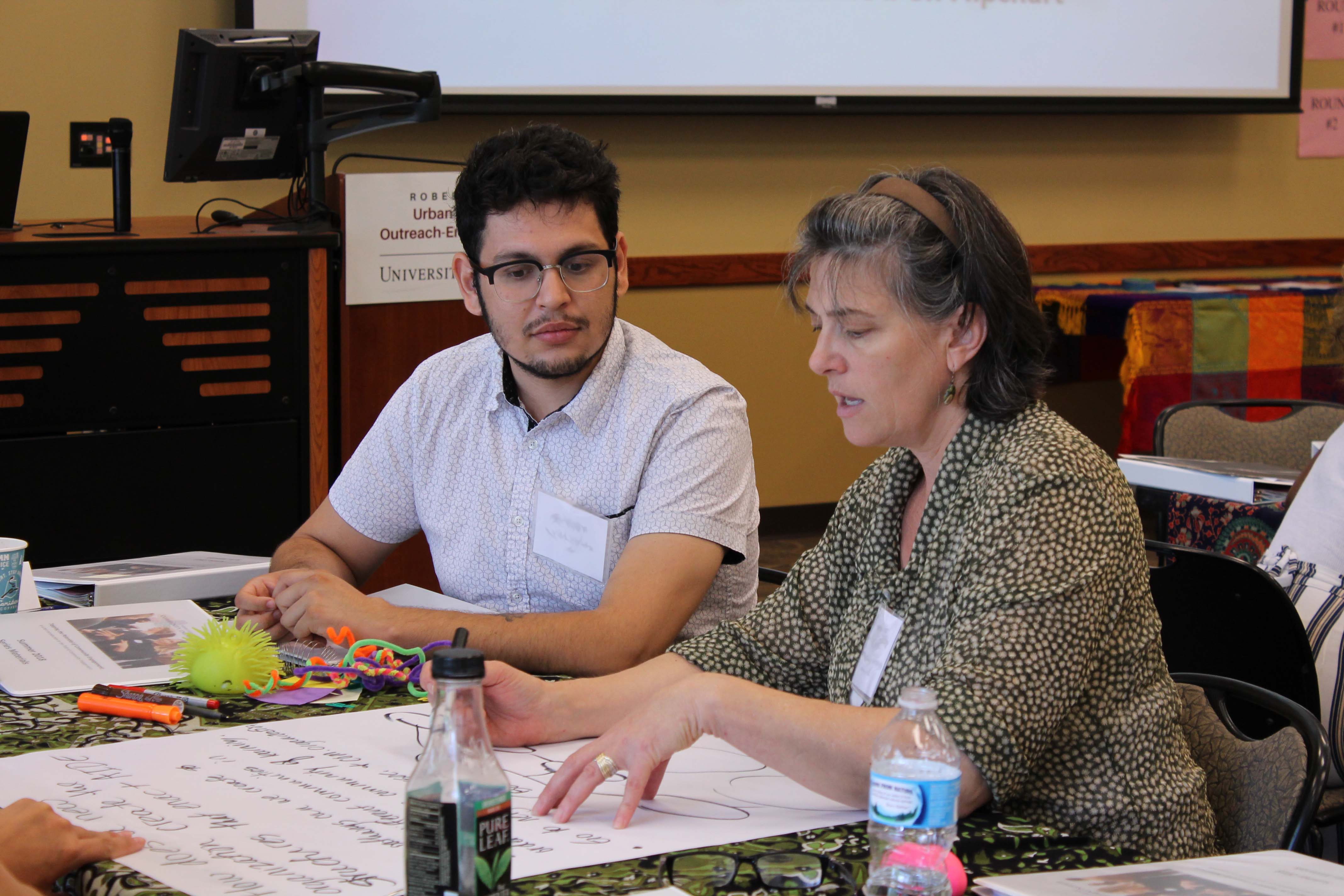
The session will begin with a facilitated panel with community engagement practitioners from Frogtown Neighborhood Association and another local organization (to be confirmed), who will share how storytelling has been a means of capturing the process and outcomes of authentic community engagement. Following Q&A, we’ll break into small group dialogue to explore challenges and questions regarding effective storytelling and evaluation of community engagement, and what opportunities you see in your own engagement practices to more authentically tell the story of engagement with community.

Date: Thursday, August 9, 2018
Time: 9:00 AM – 11:30 AM

Breakfast & Networking: 9-9:30am
Program: 9:30-11:30am

Location: International Institute of Minnesota
1694 Como Ave
Saint Paul, MN 55108

Click here for more info and to register!