Category

“I Am Because We Are”: Repa Mekha Wins Ubuntu Leadership Award

Fred

In July, Nexus Founder & CEO Repa Mekha headed to the North Shore for the Minnesota Council on Foundations (MCF)’s inaugural Ubuntu Leadership Summit. The two-day gathering brought together BIPOC and LGBTQ+ philanthropic leaders to connect, reflect, and root in ubuntu, which means, “I am (only) because we are.”

“Ubuntu is an ancient Southern African philosophy about how to live life well, together. The concept is found in almost all African Bantu languages, rooted in the word ‘bantu’—meaning ‘people.’

It is best captured by the proverb ‘Umuntu, ngumuntu, ngabantu’—a person is a person through other persons. … Ubuntu tells us we are bound together by our shared humanity. It encompasses everyone, regardless of race, creed, or color. It embraces our differences and celebrates them. Ubuntu is not simply a way of behaving—it is a way of being.” [Minnesota Council on Foundations]

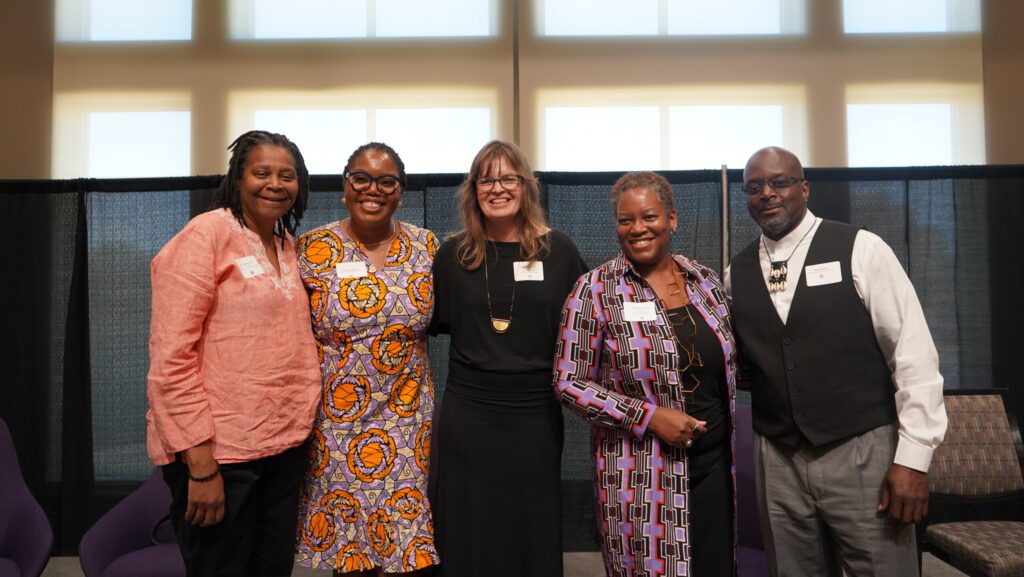
The summit was also an opportunity to celebrate MCF’s 2026 Ubuntu Leadership Award winners, including Nexus’ Repa Mekha, McKnight Foundation’s Kayrn Sciortino, Margaret A. Cargill Philanthropies’ Ted Chen, and organizational honorees Blandin Foundation, Women’s Foundation of Minnesota, and Headwaters Foundation for Justice. (Pictured below from left to right.)
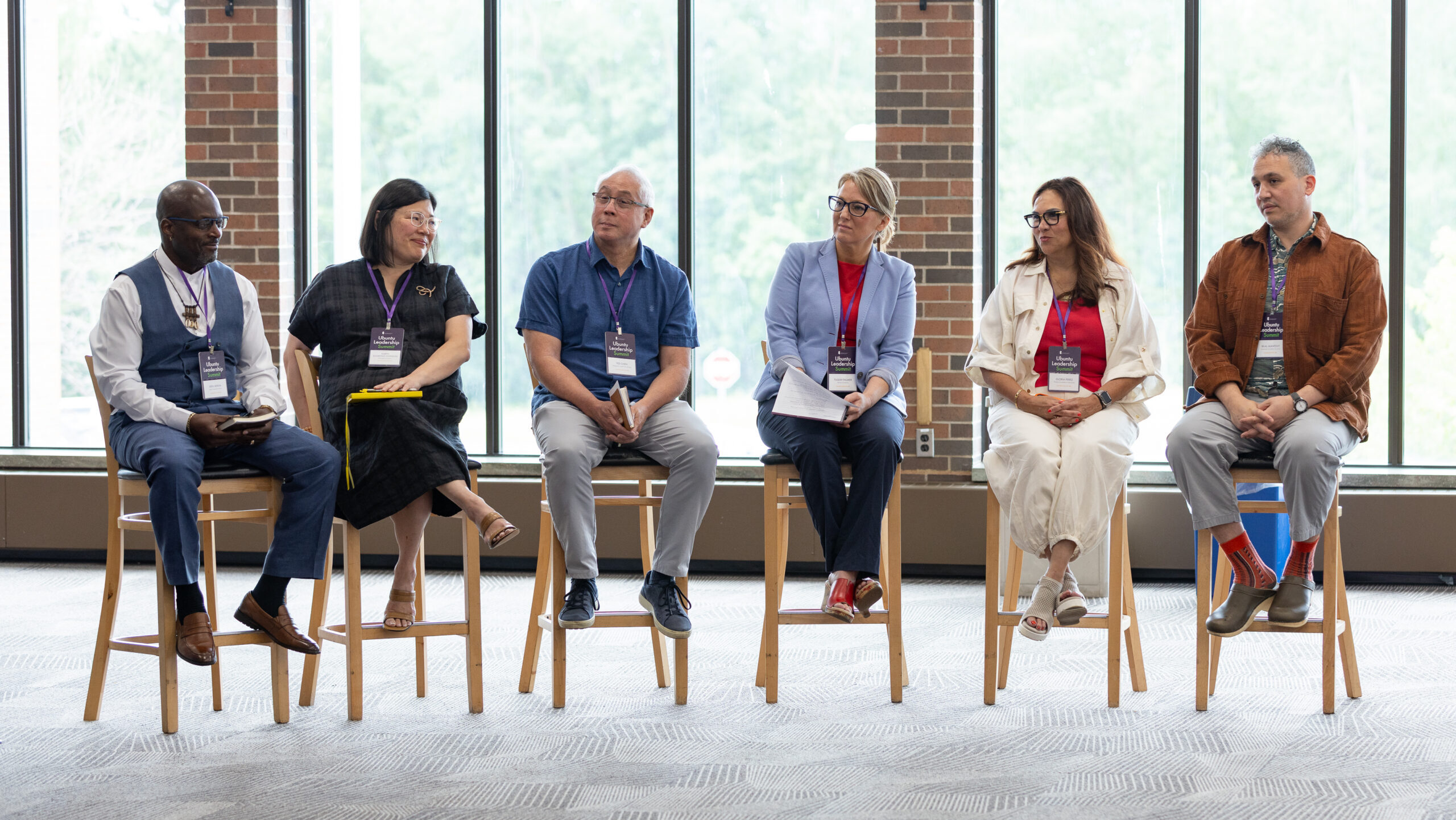
The 2026 Ubuntu Leadership Award winners.

“What makes these honorees extraordinary is not simply what they have accomplished. It is as much about who they are. How they lead. With humility, with courage, and with a deep belief that we are community-made. Their leadership reflects the very best of what ubuntu asks of us: to show up for one another as whole humans and to build cultures where everyone belongs, especially when it is hardest to do so. We are better because they are among us.” [Awale Osman, MCF Director of Organizational Learning and Leadership Development for Equity and Belonging]

Repa shared, “I embrace Ubuntu as a guiding principle that holds me responsible for how I live life. This award serves as a reminder that the gifts that are channeled through me have always belonged to more than me. I receive it with a deep sense of collective courage, pride, and dignity. I am because we are! May the Ancestors be pleased.”
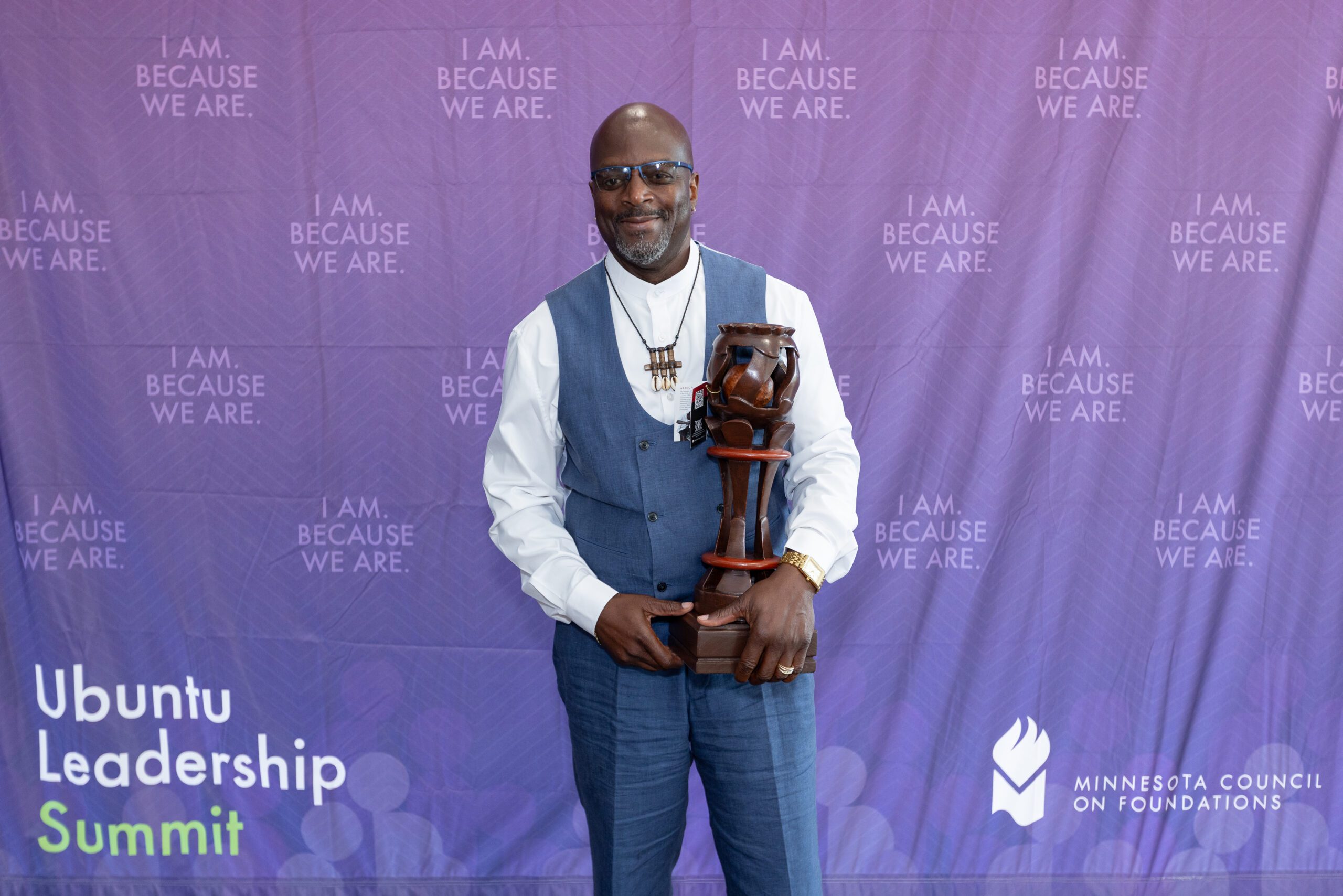
Repa with his Ubuntu Leadership Award.

The summit also featured a fireside chat between Repa, Kayrn, and Ted. The three discussed their paths to leadership and what everyday ubuntu looks like—through relationship, through community, and through showing up for the people around them.
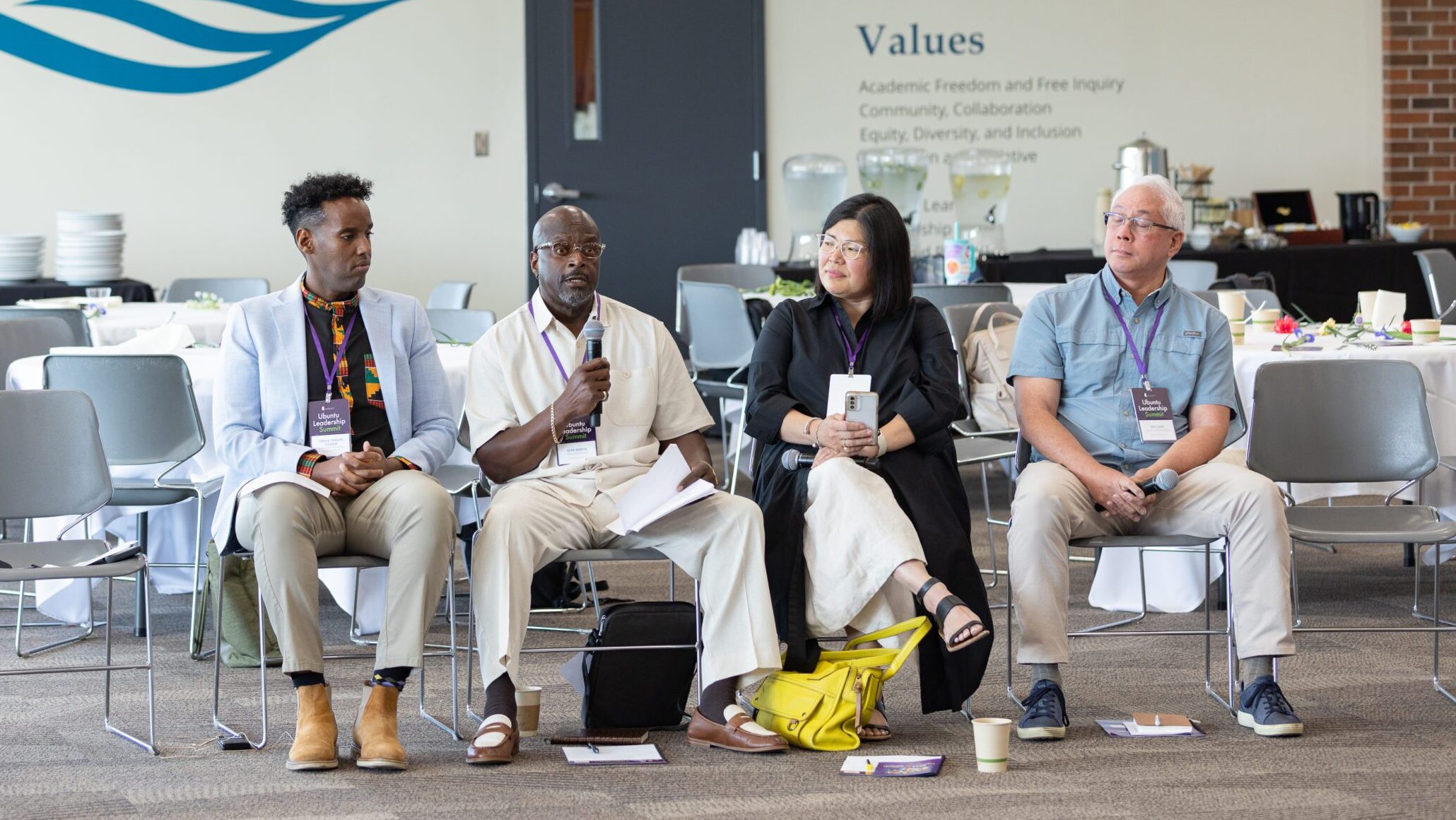
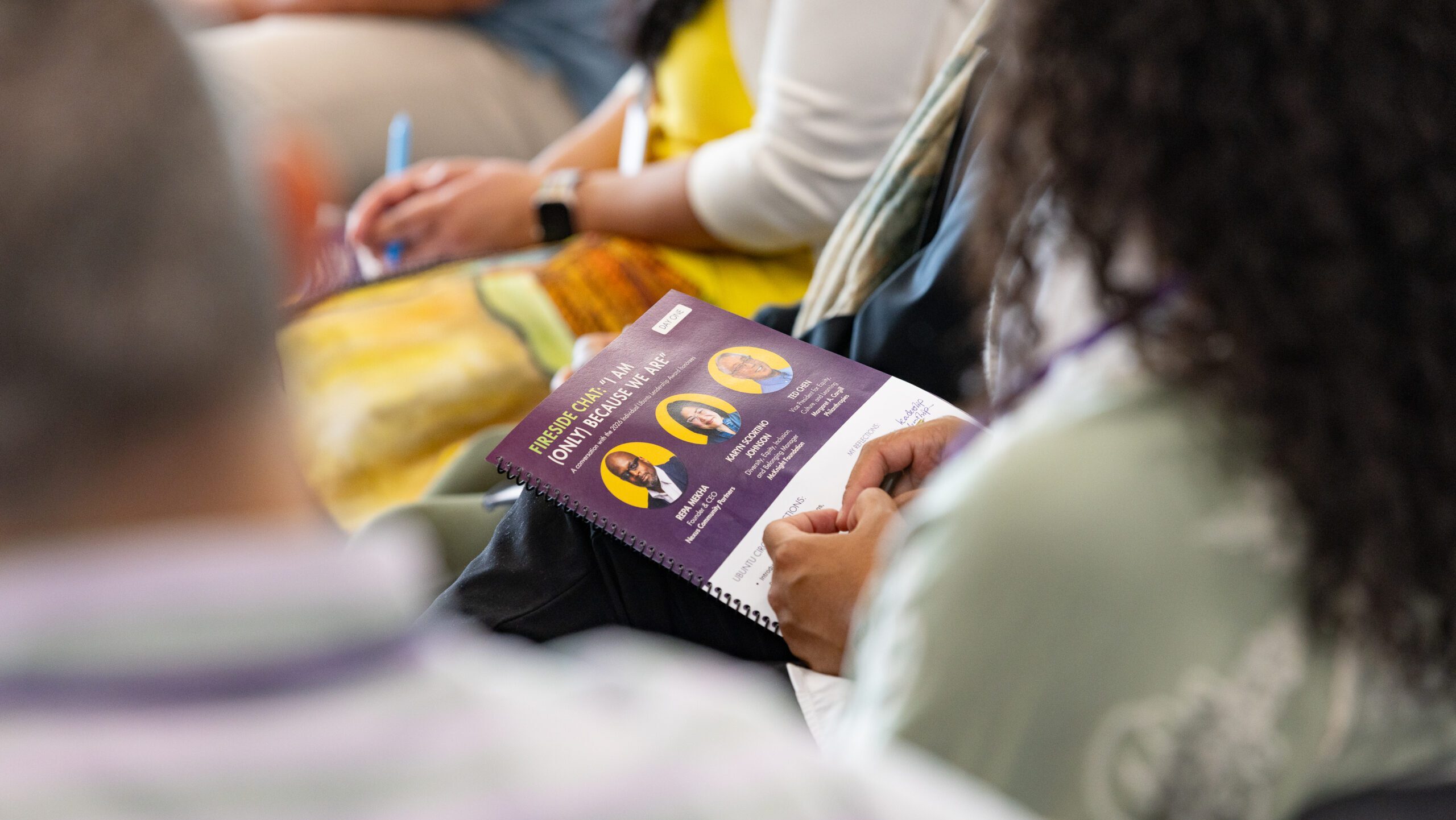
Repa speaks in the fireside chat “I Am (Only) Because We Are” with fellow honorees Kayrn Sciortino and Ted Chen and MCF Moderator Awale Osman.

Photos by Atomickphotography.
Through our Boards & Commissions Leadership Institute, we have cultivated the leadership of 168 alumni and counting who have gone on to create transformational change at every level. Alum Elvis Rivera, from our 2022-23 cohort, has been boldly leading through the Minnesota Council on Latino Affairs. Read his story below!

“When I joined the Boards and Commissions Leadership Institute (BCLI) in 2022, I knew I wanted to serve on a state-appointed board. What I didn’t fully understand yet was what that kind of leadership would require. One of the most valuable parts of the experience was the opportunity to learn directly from experienced public servants, community leaders, and board members. Through those conversations, I gained a behind-the-scenes understanding of how public boards function, the responsibilities they carry, and the realities of public service. Just as importantly, I gained the confidence to see myself serving in those spaces. I learned that effective leadership isn’t about having all the answers. It’s about understanding systems, listening intently, asking better questions, and recognizing that meaningful change takes time and collaboration.

Those lessons prepared me to serve on the Minnesota Council on Latino Affairs (MCLA), where I have represented District 3 since June 2023. Serving on MCLA has challenged and strengthened my leadership in ways I hadn’t anticipated. The work has reinforced that public service rarely comes with perfect agreement. More often, it requires bringing together diverse perspectives, navigating complex public issues, and staying focused on serving the public good. I’ve come to realize that advocating for community is less about choosing sides and more about choosing solutions. Whether discussing economic opportunity, issues affecting immigrant communities, or other priorities impacting Latinx Minnesotans, some of our most meaningful work has involved shaping recommendations for state leaders while ensuring community voices remain at the center of difficult conversations. At times, those discussions have reflected the uncertainty and complexity many people are experiencing, particularly within immigrant communities. They have also reminded me that progress depends on our willingness to stay engaged, even when agreement isn’t immediate.

A leadership book I recently finished introduced the idea of staying ‘on the line’ during moments of uncertainty. That phrase has stuck with me because it captures so much of what public service has taught me. I’ve learned that real leadership often begins with listening, building trust, and creating space for people to work through difficult challenges together.

Looking back, BCLI did more than prepare me to serve on a state-appointed board. It sparked a commitment to continually grow as a leader. Since then, I was honored to be selected as a Bush Fellow, and as part of that journey I’ve intentionally pursued opportunities to learn from leaders across the country and around the world. Those experiences have shown me countless examples of people creating transformational change through innovation, grit, and cross-sector collaboration. They’ve also shown me how progress slows when organizations lose sight of the bigger picture or become unwilling to truly listen to one another. More than anything, they’ve reinforced my belief that no single organization, sector, or leader can solve our biggest challenges alone.

It’s a lesson that has continued to surface through my reading and leadership experiences. The more I’ve learned, the more convinced I’ve become that lasting solutions are built by bringing together government, business, philanthropy, education, and community. That belief is also reflected in the focus of my Bush Fellowship. My Bush Fellowship is centered on expanding economic opportunity by helping close the racial wealth gap through greater access, financial literacy, and education. I believe education is the foundation that allows each generation to build upon the sacrifices of those who came before them. To me, that work is one expression of a much broader responsibility we all share to leave our communities stronger than we found them.

I stand on the shoulders of giants who walked so that we could run. They did their part for us. Now it is our responsibility to do our part for those who come after us. Our actions are watched, our example is emulated, and the work we do today helps determine the opportunities available to the next generation. That’s why I often say, ‘Those that can should. I can, so I will.’ I’ve always believed public service is part of our responsibility to one another.

In a time marked by polarization and division, I believe our greatest opportunity is not to retreat into our differences but to lean into collaboration. Leadership is not about having the loudest voice. It’s about bringing people together around a shared purpose, staying at the table long enough to build trust, and leaving our communities stronger than we found them.

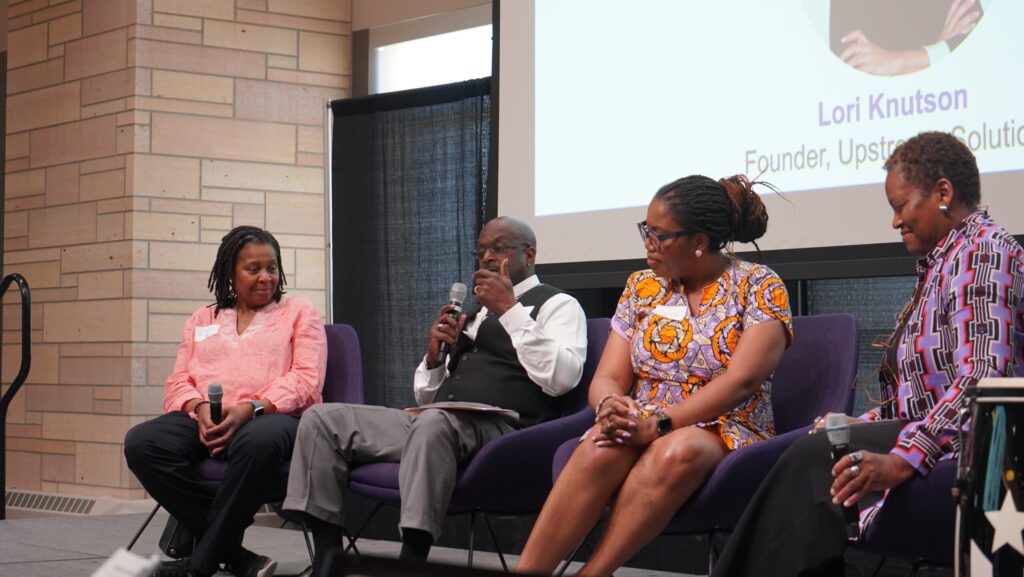
The University of St. Thomas’ Whole Person Health Summit brought together voices across health, equity, and community impact—including Nexus Community Partners! Our Founder & CEO, Repa Mekha, joined a powerful conversation on resilience and reimagining systems, moderated by Eyenga Bokamba, Director of the Minnesota Institute for Trauma-Informed Education.

The discussion highlighted transformative approaches to supporting well-being and organizational change, with fellow panelists Dr. Darlene Fry (Executive Director, Irreducible Grace Foundation), Odi Akosionu-DeSouza (Director, MN Dept. of Health Equity, Strategy & Innovation) and Lori Knutson (Founder, Upstream Solutions). Each brought their unique perspectives on how large-scale organizations and systems can shift their positions to effectively nurture the growth of a community. Repa highlighted Nexus’ growing focus on staff wellness, as well as community changes that have inspired him over the last six years.

Thank you to the St. Thomas Morrison Family College of Health for having us!

Panelists standing left to right: Dr. Darlene Fry, Odi Akosionu-DeSouza, Melanie Ferris, Eyenga Bokamba, and Repa Mekha.
Repa speaking at the panel.

Through our Boards & Commissions Leadership Institute, we have cultivated the leadership of 168 alumni and counting who have gone on to create transformational change at every level. Alum Tim Brewington, from our 2019-20 cohort, is meeting the moment with bold leadership in Woodbury. Read his story below!

“I am a founding member of the Multicultural Advisory Committee for the Woodbury Public Safety Department, established in 2019. From the beginning, our work has required difficult and necessary conversations about pain, trust, accountability, and the possibility of building stronger relationships between law enforcement and the community we all serve.

The first true test of this committee and its relationship with the police department came on May 25, 2020, when George Floyd was murdered after a police officer kneeled on his neck during an arrest in Minneapolis, Minnesota. In that moment, I demanded that Woodbury take a public stance. I insisted that our department clearly name what had happened and create space for real, public conversations with both the committee and the broader community.

There was resistance. Eventually, the Director of Public Safety agreed to sit down with me for an interview to discuss his reaction to George Floyd’s death and to address how Woodbury Public Safety can be held accountable in its responsibility to protect and serve all residents. That moment became a turning point in our work.

Unfortunately, the conversations did not end there. Continued loss of life at the hands of police across the Twin Cities forced us to return again and again to these hard discussions. While these tragedies did not occur in Woodbury, what happens in Minneapolis and Saint Paul affects trust, safety, and community well beyond city borders. It affects us here.

I firmly believe safety is built through relationships. When community members and police officers know one another as human beings, when transparency and accountability are present, trust can grow. Trust is what makes real public safety possible. Change does not happen through silence. It happens one conversation at a time.

I am grateful for the continued commitment of the Woodbury police, fire, and EMS departments and for the men and women who strive each day to serve all residents with compassion, professionalism, and courage.

The Multicultural Advisory Committee meeting on Monday, Jan. 26—amid a long, violent ICE occupation and in the wake of Renee Macklin Good and Alex Pretti’s murders—was different from any other meeting.

In my eight years of service, I have never witnessed what I saw that night. Officers in full uniform broke down in tears over what is happening in our community. The energy in the room shifted in a way that was unmistakable. The weight of the moment was shared, unspoken, and heavy.

When those sworn to protect a community are overwhelmed by its suffering, something is profoundly wrong. This is not normal. This is not sustainable. And this is not okay. In that moment, I felt both heavy and hopeful. Heavy because of the pain we were witnessing, and hopeful because we were in community. Law enforcement and residents were together, supporting one another and choosing to face this moment side by side.

Real change begins when we refuse to look away from discomfort and instead choose accountability, connection, and action. Every honest conversation, every act of listening, and every decision to demand better brings us closer to the community we are striving to build. This work is ongoing, and it belongs to all of us. If we remain present, engaged, and willing to act, transformation is possible, one conversation at a time.”

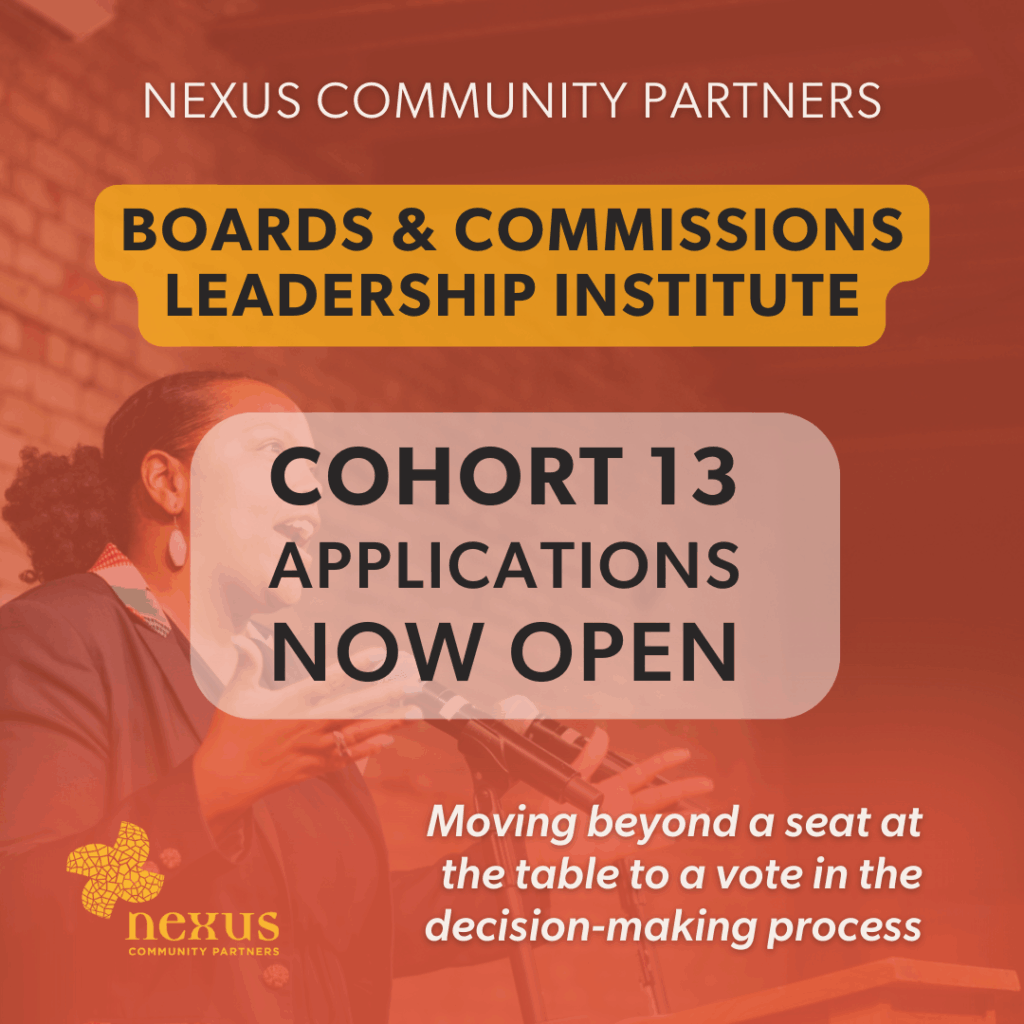
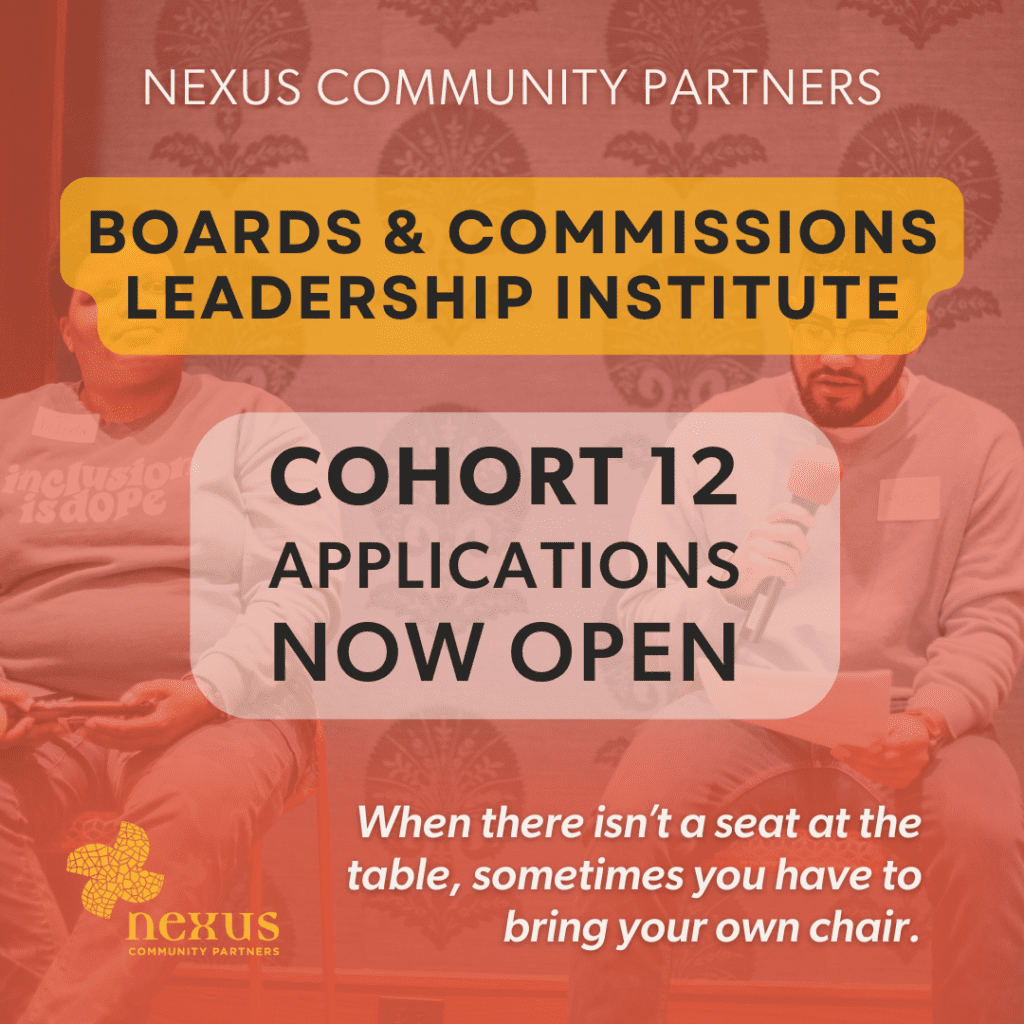
Applications for the Boards & Commissions Leadership Institute (BCLI) are open now through Friday, Jan. 23! We are excited to recruit our next cohort of equity champions who want to be effective members on boards, committees, commissions and task forces at all levels of government. Apply and learn how to get a seat on a decision-making table!

How It Works

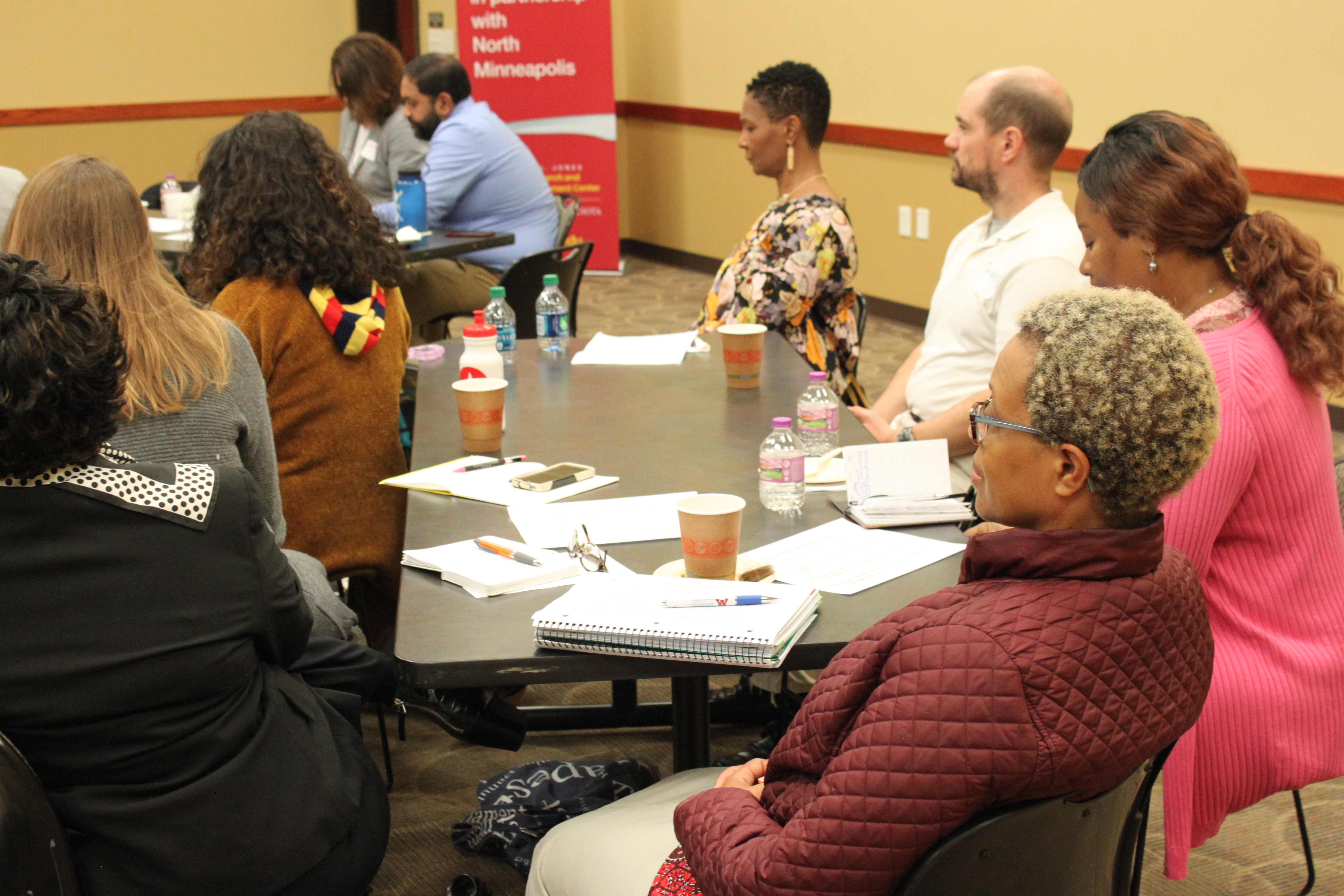
For too long, systems of governing have rigged the rules to concentrate power and wealth in fewer and whiter hands. They’ve put up barriers to shut out Black people, Indigenous people, and people of color (BIPOC) from decision-making, as well as women, queer folks, disabled folks, low-wealth folks, and other historically marginalized and oppressed people. BCLI is a seven-month leadership program working to change this. We support, train, and help place BIPOC and other underrepresented community members on city and county publicly appointed boards and commissions.

Fellows commit to making governing decisions from the inside to nourish communities for this generation and generations to come. At a time when civic participation and democracy-building is most preciously needed, we must be engaged at every level of decision-making that affects all our communities. And that starts with boards and commissions!

Time Commitment

April – October 2026

  • Attend monthly Saturday Sessions, plus our launch event, Thursday Night Issue Series, and graduation
  • Work outside of sessions includes readings, online discussions, webinars, and commission meetings
  • Total time (including trainings and assignments) is approximately 80 hours
  • Fellows receive a small stipend of $500 to honor their time and commitment

See all dates and times

Info Sessions

Join us to learn more about the program, nomination, and selection process!

Resources

Nexus Community Partners is a proudly Black-led, BIPOC-majority nonprofit working to build engaged and powerful communities of color for over 20 years. In honor of Black August and Black Philanthropy Month, we sat down with Repa Mekha, Danielle Mkali, and Chalonne Faleke to reflect on their leadership journeys and the importance of investing in Black leadership.

Repa Mekha, Founder & CEO

18 years with Nexus

  • “I’m a father, a grandfather, and a great-grandfather. That brings with it a certain level of responsibility as an elder. Part of my role in this organization is to live out what it looks like to be a purpose-driven elder, and to teach principles and values that others around me can steep themselves in.
  • “As a Black leader, most of what I do is related to who I’m with. I spend a great deal of my time in the same spaces that I’m working on. And I have a great sense of accountability. Because I have to show up. I have to be present. This work around leadership, for me, is about real, authentic work.

Danielle Mkali, VP of Programs & Strategies

12 years with Nexus

  • Black leadership at Nexus means bringing my whole self as a Black woman into the space. It has meant that Black folks have been able to coordinate and organize rooms and spaces to have conversations that center Black people and that we get to be the designers and the decision-makers on efforts that are for and by Black people here at Nexus, even within a multiracial organization.”
  • Black leadership is so important in this time because we are seeing incredible devastation and pain and harm every day, in a way that feels much more forceful and rapid and chaotic than it has before, and yet we know from our history and where we’ve come from that we know a lot about what we’re seeing right now. And we have been resisting and building and creating and moving together and organizing and sharing money, sharing land, sharing food, sharing answers and solutions to what we’re seeing right now. For as long as we’ve been here.”

Chalonne Faleke, VP of Operations & Culture

8 years with Nexus

  • “Black leadership at Nexus has been a very beautiful thing to witness. I love working with a whole bunch of Black genius people. I love seeing all of that brilliance. And it shows up in so many different ways because Black leadership at Nexus is diverse. There’s not just one kind of Blackness. Everybody is Black in their own way. It shines through.
  • Black leadership is critical to invest in. You can look at the patterns of when people choose to call on Black people—when you need creativity, when you need strategic thinking, when you need to figure out how to do a lot with not very much, when there is major transformation happening. Those are often times when you see people call on the leadership of Black people, and that’s across sectors. But I’ve always felt like, why wait? Why wait until we hit these pivotal moments, these dire circumstances, to listen to and follow Black leadership?”

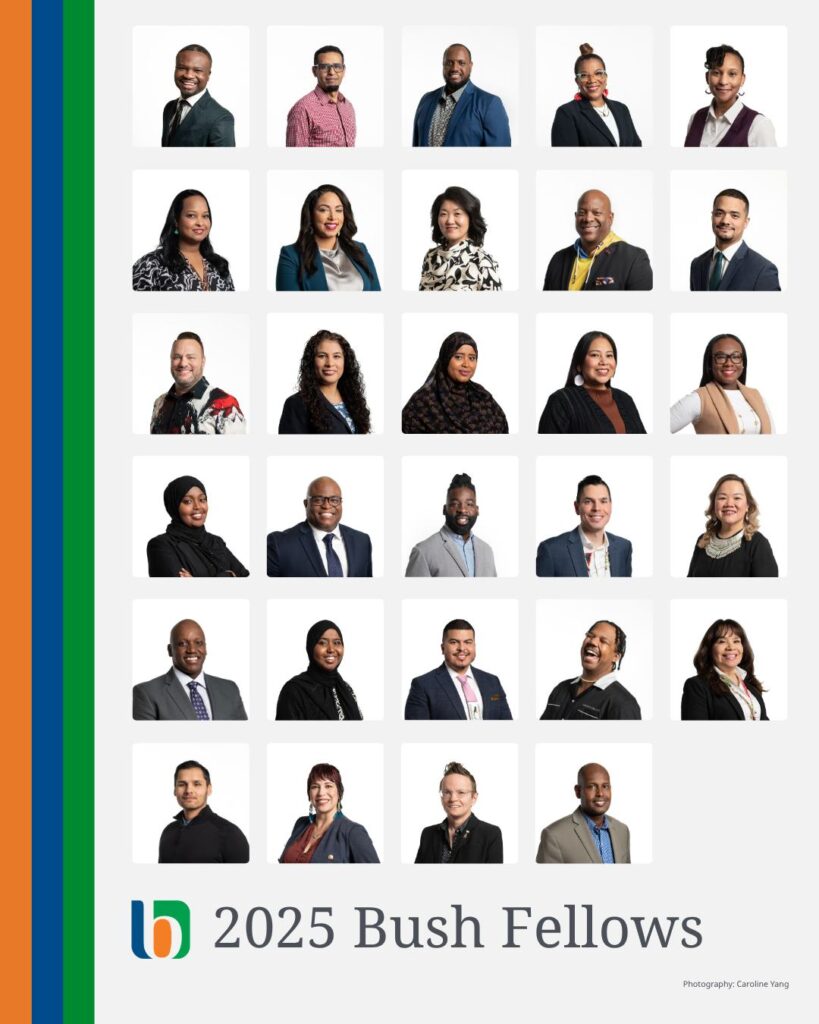
We were thrilled to see that Nexus board member Georgia Fort, BCLI alumni Carl Johnson and Elvis Rivera, and longtime Nexus partner Chanda Smith Baker are among this year’s Bush Fellows! They’re part of a group of 29 visionary leaders shaping communities in Minnesota, North Dakota, South Dakota and the 23 Native nations that share that geography. Read the excerpts below from their Bush Foundation bios!

  • “As founder of BLCK Press and the Center for Broadcast Journalism, Georgia Fort is creating pathways for Black and Brown journalists to not only enter the field, but to transform it. After being denied maternity leave as a news anchor, she left mainstream media and launched her own platform to cover underreported stories. Her team’s coverage of the George Floyd protests reached more than 18 million viewers and helped shift national narratives. Today, her newsroom is a trusted source in Minnesota, earning 12 regional Emmy nominations, three wins and national recognition for innovation and impact.”
  • Carl D. Johnson is recognized as a visionary leader committed to ensuring marginalized communities have access to healthy, culturally relevant foods. He is transforming food access and economic opportunity on St. Paul’s East Side through faith-rooted community building, radical hospitality and visionary entrepreneurship. A former gang member and addict turned pastor and community leader, Carl is the founder of the East Side’s first Black-owned grocery store, Storehouse Grocers and Coffee, as well as the George Washington Carver Cultural Center, a thriving community hub. His leadership spans worker-owned cooperatives, youth mentorship, workforce development and civic engagement.”
  • Elvis Rivera brings firsthand knowledge, professional expertise and heartfelt determination to his mission: closing the racial wealth gap for Black, Indigenous and people of color (BIPOC) communities. A first-generation Guatemalan immigrant who survived childhood homelessness and violence, Elvis arrived in Minnesota at age nine and quickly learned how poverty, racism and legal barriers shape lives. Today, as a financial advisor, nonprofit leader, and community connector, he shares the wealth-building tools often reserved for the privileged.”
  • Chanda Smith Baker has spent her life supporting people, organizations, and communities in doing their best work. A daughter of North Minneapolis and a descendant of generations of educators, advocates and builders, Chanda has led with community at the center across nonprofits, boardrooms, philanthropy and the airwaves. She envisioned North Market, co-founded the Black Collective Foundation MN, and amplifies bold voices through her podcast Conversations with Chanda.

The Bush Foundation’s Bush Fellowship is a self-designed leadership program that gives individuals the flexibility they need to develop their own capacity to lead effectively. Our Founder and CEO, Repa Mekha, is also an alum of the program!

Congratulations to all the 2025 fellows!

Image from the Bush Foundation

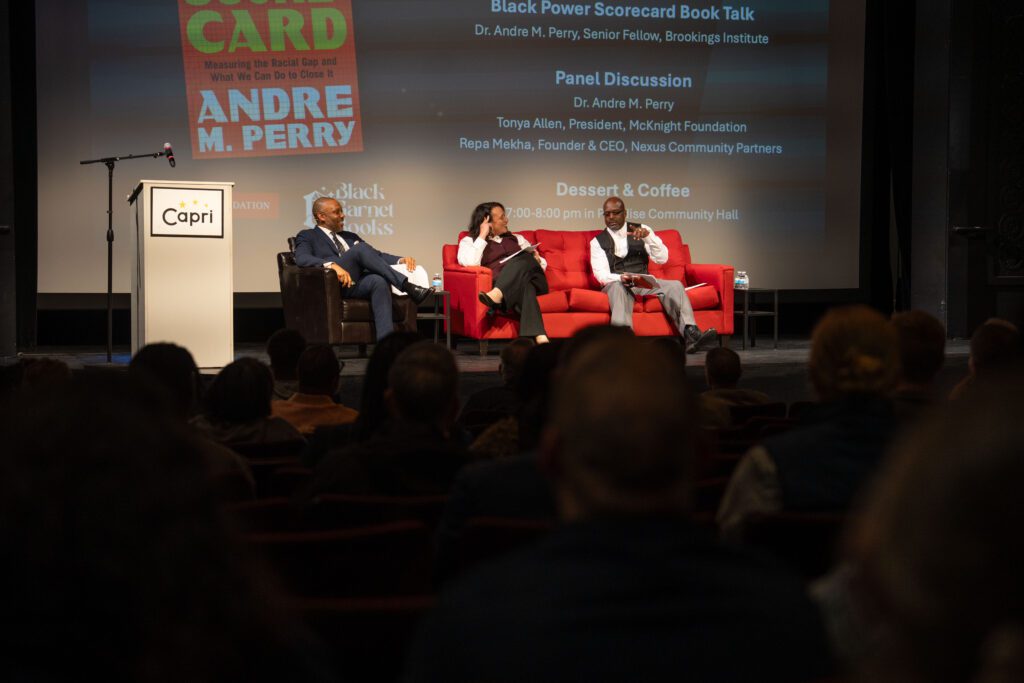
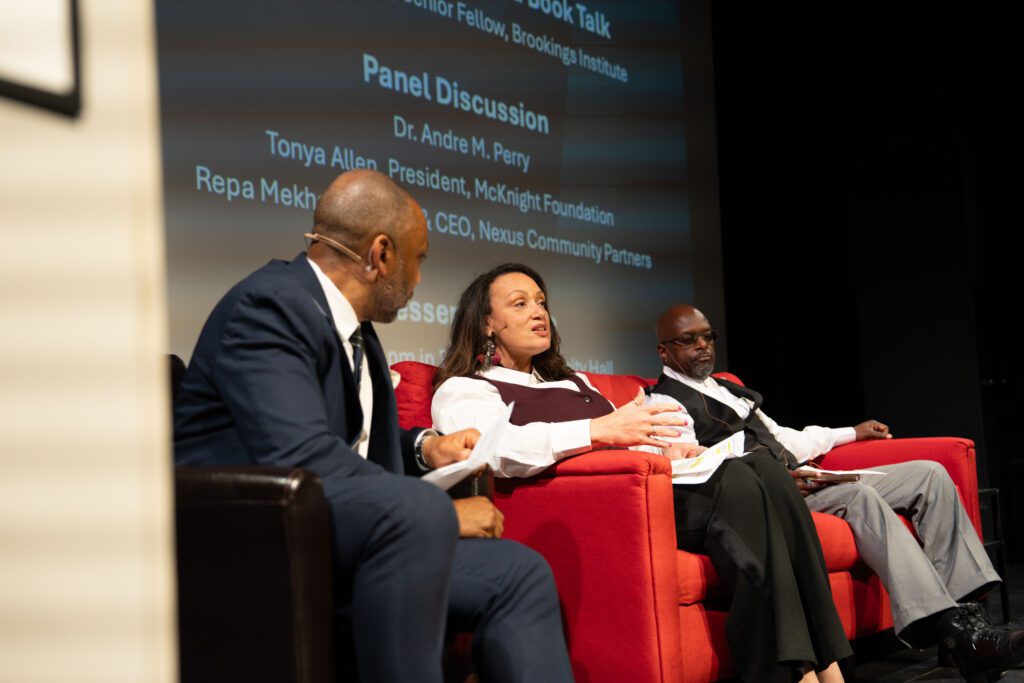
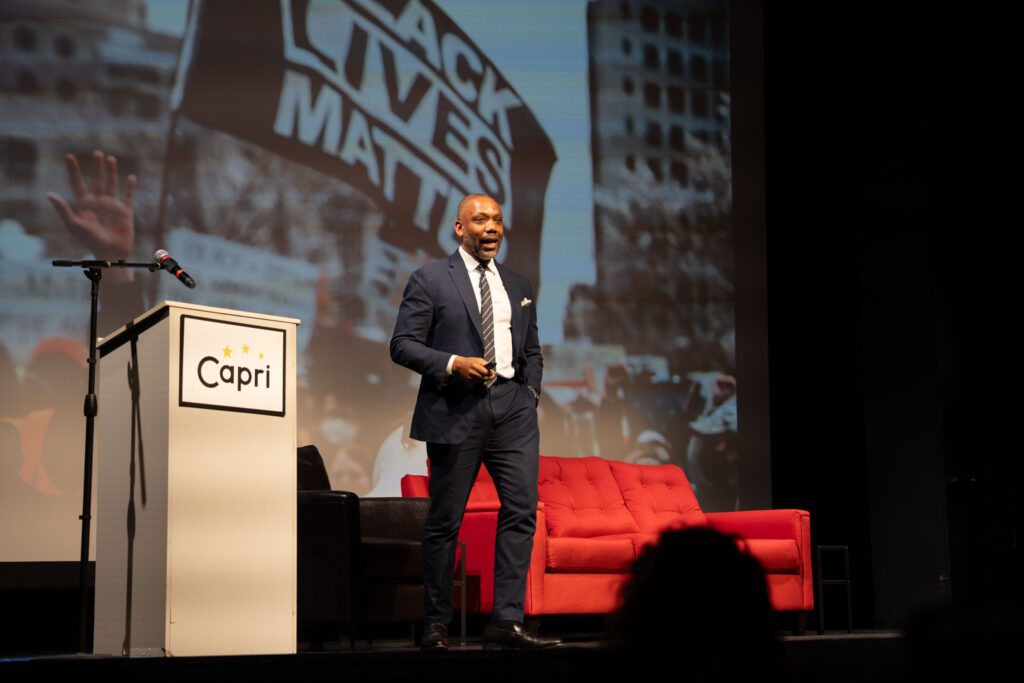
In North Minneapolis’ historic Capri Theater, Nexus founder & CEO Repa Mekha talked Black community wealth building with McKnight Foundation President Tonya Allen and author Dr. Andre M. Perry. The conversation centered themes from Dr. Perry’s new book, Black Power Scorecard: Measuring the Racial Gap and What We Can Do to Close It.

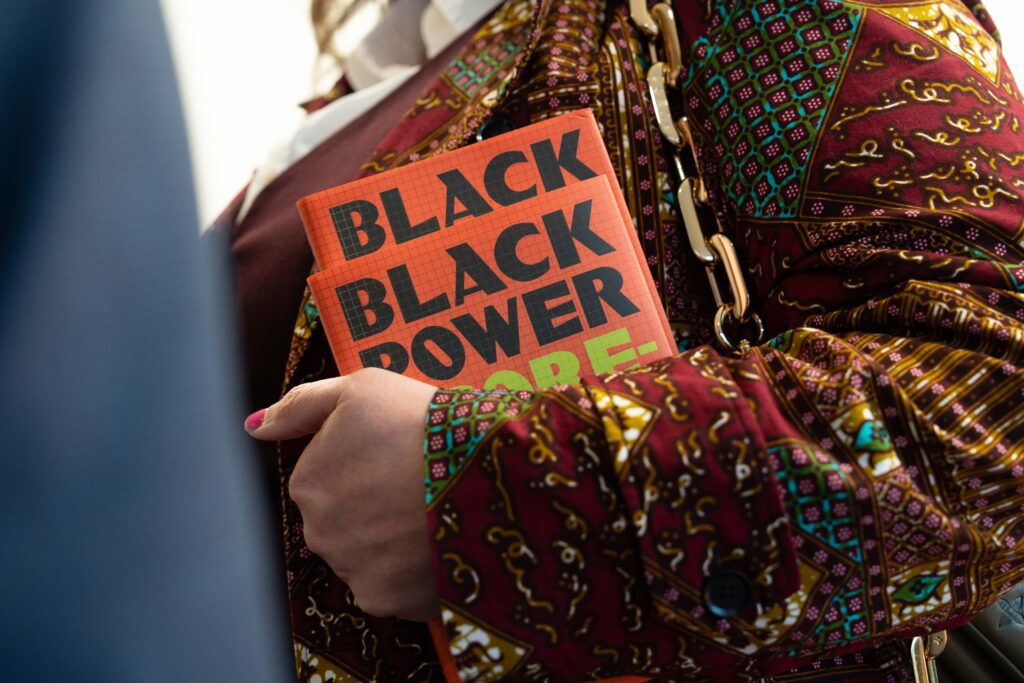
Black Power Scorecard is “a dollars-and-cents reckoning of the state of Black America and a new framework to close the power gap. Historically, Black Americans’ quest for power has been understood as an attempt to gain equal protections under the law. But power in America requires more than basic democratic freedoms. It is inextricably linked with economic influence and ownership—of one’s self, home, business, and creations.” Dr. Perry’s hope for the book is to “provide the basis for a Black agenda that isn’t solely rooted in our dying, but in our thriving.”

It was an inspiring evening of truth, vision, and possibility for what Black wealth, power, and equity can—and will—look like.

Repa reflects, “Black wealth building and power, especially generational, is as much a psychology as it is a set of financial practices and tools. It is a claiming and reclaiming of the power and potential that exist with us, and within us, and using it to see and build collectively—while at the same time disrupting barriers. Hope is what we wish to come, will is what we cause to be.”

“I very much appreciated the work that Andre M. Perry has put in front of us through his book,” Repa says. “It effectively calls on us to use what we have as the gate to getting what we want and need. It would be powerful for a group of us to gather around his work to create both collective thought and action.”

Andre Perry, Tonya Allen, and Repa Mekha converse on stage.
Photos by Molly Miles, McKnight Foundation
Dr. Perry stands on stage.
Perry’s book, Black Power Scorecard.

As we enter the season of renewal and growth for what’s ahead, Nexus Founder and CEO Repa Mekha reflects on leadership in an uncertain landscape, discovering your purpose, and following the calling. Watch or read below!

What has leadership looked like to you this last quarter—inside Nexus, in the field, and beyond?

These last three months have called for us to live in the gray far more than in the past, to rely on insights and wisdom, and learn that it’s not always concrete. This calls for adaptation and the ability to be flexible, to be creative in the moment. In some ways, it’s calling for us to show up differently, to exercise our skills differently. But it also taps something that already exists in us.

I enter into leadership knowing that I don’t need to know all the answers, and that others may not know all the answers. But the places and spaces and ways that we never thought about gaining insight are in front of us now, and we’re paying attention: what are people not saying? If you stitch things together in the environment, what do they spell out, that you just wouldn’t have thought of or imagined when you were trudging along by yourself?

We are now operating with a higher level of intentionality and tension—being deliberate about paying attention to what’s in the gray. Before, if it wasn’t solid, if it wasn’t something that we could put our hands on, we didn’t have the time for it, right? Because things had to happen. Now we’re finding that there are answers in the gray, there are answers in the questions, that we wouldn’t have paid attention to before.

As a leader in these times, being able to help people see through that has been ratcheted up, both inside and outside of the organization. We are in this exploratory phase where we’re being called to be on the stage, actively engaged, and then having to go to the balcony to see the big picture at the same time. And in between the two, we’re having to hold this space of greatness, not always knowing what happens between the time that we get to the balcony or back to the stage, but being committed to keeping the work going forward.

I always say there’s far more in between the lines than on the line. It’s in that space between the lines that we’ll begin to find some answers. And that’s a different way of practicing leadership: It’s leadership without easy answers. It’s leadership that answers, “it’s a bad time,” it’s leadership that calls for you to have a sense of groundedness and the ability to hold what is unpredictable sometimes. I don’t think it’s momentary. It’s calling us. We’re being trained and engaged and invited to up our level of leadership, the tools that we use in leadership, in ways that we’ve just not had to do in the past.

As a leader, mentor, and community elder, how do you help people see into the gray?

When we are truly in this work, we come to it not as occupations, but vocations. There’s something very deep inside us that teaches us there’s work we should be doing and should be committed to. And unlike an occupation, you don’t retire from it, right? Careers are born to die because folks look for the day that they come to an end. I think that with vocation, a sense of purpose and calling, not only do you come to the work with a deeper sense of commitment, but you come to the work drawn from a deeper sense of wisdom that you didn’t just get trained up. You didn’t just go to school. You didn’t just go through some cohorts to be prepared, but you were sent to do this work.

Part of being able to really fulfill that is self-study. Self-study is tapping into the strength and wisdom and insight that not only come with you, but have been passed on by your ancestors or a Creator—there’s a different way to come to this work that gets reflected in how you show up. And the self-study piece, for me, is as deep as this: If you don’t know yourself, you can’t love yourself. Studying yourself is the only way you get to really know who you are and to know how to embrace yourself. And so as an elder, part of what I try to help folks do is tap into you, tap into your gifts beyond occupation, beyond career paths.

There are at least three ways folks tend to come into this work:

  1. Someone noticed something deep inside them a long time ago and cultivated it. And they, in turn, try to live into it—they act a certain way, they begin to think a certain way, they begin to practice a certain way, and they may even get some training and supports that help to enhance that.
  2. The other is very market-driven: you learn early on what’s popular, what’s in demand, and you spend your time shaping yourself to respond to that.
  3. The third starts from within. Early on, you really begin to recognize that you have a gift, that you have a purpose and a calling, and you may not even have the language for it. You may not even fully understand it, but it’s there and it keeps plugging at you. It keeps tugging at you. And over time, as you have experiences with others, part of what they do is help to pull that out. And as a result, there are things like your jobs, your position…my position as President and CEO of Nexus Community Partners is a platform for me to live out purpose.

I’ve never pursued a career. I’ve never pursued an occupation. I’ve always listened for the calling. And that calling, I understand to be much bigger than me. So the way we enter into this work now is going to be extremely important. It goes back to not only being able to live in the gray, but to hear in the gray: to hear messaging, to hear what people are saying, even when they’re not using their mouth. To see people in ways that have nothing to do with your eyes. I think that’s the kind of leadership we’re being called to do—it is rooted in culture, it is rooted in wisdom, in values around rest and self-care and all those things that are going to be important to the work as we go forward, especially if we become more and more intentional and raise the tension of the work that we’re engaged in. I think where we’ve been just won’t do it anymore.

When we founded Nexus Community Partners 20 years ago, we did something simple yet powerful—we turned to community to reclaim our strength and to reimagine what power looks like when it is rooted in truth and relationships. We are unique because of how we’re positioned and how we work: We take the long view, and everything we do is focused on creating lasting impacts.

At Nexus, we are igniting BIPOC leadership for transformational change.

When we established the Boards & Commissions Leadership Institute (BCLI) 10 years ago, there was nothing like it in our region. But we believe that when we make decisions that affect all of our lives—across race, place, gender, and more—we must share the power in making those decisions. BCLI helps Black people, Indigenous people, and people of color (BIPOC) and other historically oppressed people get seats at the table and serve at all levels of government.

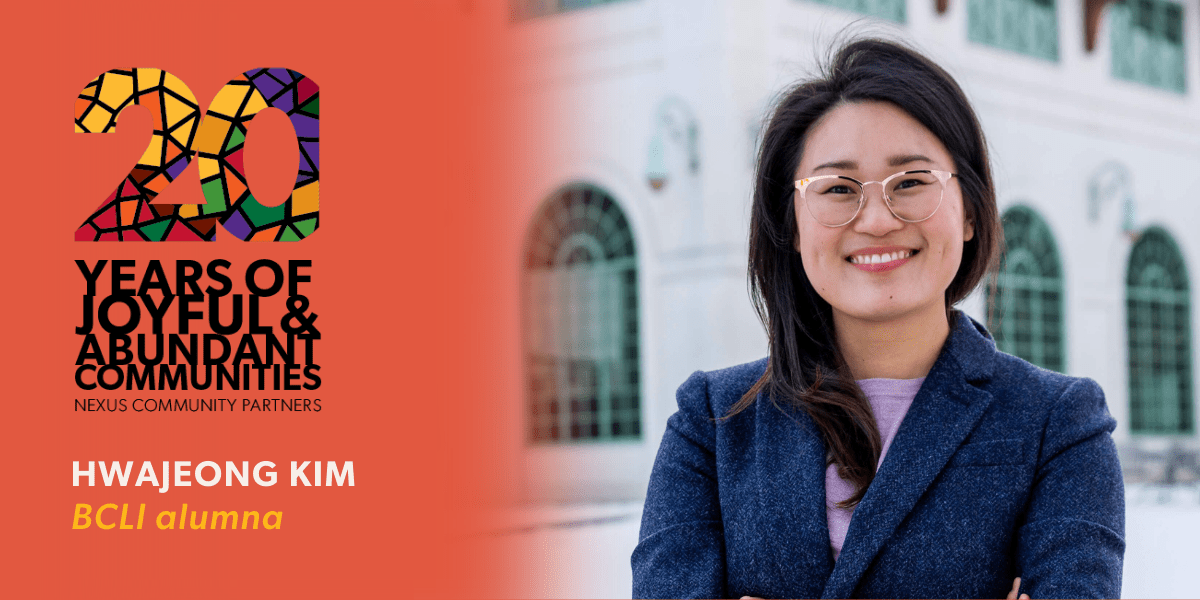
Today, of our 157 diverse alumni, many have gone on to high-profile roles including U.S. Congresswoman Ilhan Omar, Minnesota Voice Executive Director HwaJeong Kim, and MN First District Judge Luis Rangel Morales.

Meet HwaJeong

Eight years ago, HwaJeong Kim was volunteering at her local library and serving on her neighborhood district council. She loved her community, and she was motivated to do more to give back. That’s when she found BCLI.

“I tell everyone the BCLI changed my life. It was a turning-point training that helped me understand how to navigate power and place with people. This completely catalyzed my professional and personal trajectory.”

The leadership skills and professional connections with like-minded people helped HwaJeong build confidence and take her next steps. She went on to serve on The Saint Paul Planning Commission and work as the Legislative Aide for Saint Paul’s Ward 5 City Councilmember before being elected to the role herself in 2024.

“My greatest takeaway [from BCLI] continues to be how to actualize values in our work and deliver community-driven solutions. Since graduating, I have nominated one person per cohort and will continue to do so—the BCLI produces highly skilled, connected, and values-driving community changemakers. Now more than ever, we need more of us in this fight!

Make a donation

Join us in helping historically marginalized and oppressed people have a seat at the table. Whether you can contribute $20 or a story about what Nexus means to you, you will continue to make our work possible!

Share your story

As we reflect on the last two decades and look toward the years to come, we want to know: What does Nexus mean to you? Whether you were part of Payne-Lake Community Partners at the beginning or discovered Nexus this year, we want to hear from you!

Applications for the Boards & Commissions Leadership Institute (BCLI) are open now through Jan. 20! We are excited to recruit our next cohort of equity champions who want to be effective members on boards, committees, commissions and task forces at all levels of government. Apply and learn how to get a seat on a decision-making table!

How It Works

For too long, systems of governing have rigged the rules to concentrate power and wealth in fewer and whiter hands. They’ve put up barriers to shut out Black people, Indigenous people, and people of color (BIPOC) from decision-making, as well as women, queer folks, disabled folks, low-wealth folks, and other historically marginalized and oppressed people. BCLI is a seven-month leadership program working to change this. We support, train, and help place BIPOC and other underrepresented community members on city and county publicly appointed boards and commissions.

Fellows commit to making governing decisions from the inside to nourish communities for this generation and generations to come. At a time when civic participation and democracy-building is most preciously needed, we must be engaged at every level of decision-making that affects all our communities. And that starts with boards and commissions!

Time Commitment

April – October 2025

  • Attend three, hour-long meetings per month on Zoom, plus our launch event and graduation
  • Work outside of sessions includes readings, online discussions, webinars, and commission meetings
  • Total time (including trainings and assignments) is approximately 80 hours
  • Fellows receive a small stipend of $500 to honor their time and commitment

See all dates and times

Info Sessions

Join us to learn more about the program, nomination, and selection process!

People with deep lived experiences of inequities are actively leading and creating transformation in their own communities, in ways that respect and leverage their cultural ways of knowing and being. The pervasive view of leadership, as extraordinary and hierarchal individuals, reinforces dominant positions of power. Institutions that only rely on this systems-driven analysis often miss seeing and valuing these critical people, forms and patterns of leadership.

Nexus Community Partners supports strong, equitable and just communities in which all residents are engaged, are recognized as leaders and have pathways to wealth building opportunities. We hope to bring people working in different sectors and cultural communities together to lift up absent narratives about leadership. With our Community Storytelling Project partners, our learning community will explore ways we practice community leadership.

Join us to learn more about our virtual and in-person learning opportunities to:

  • Support and explore community-driven leadership that improve the overall health and well-being of a group as defined by those individuals, families, or community members.
  • Develop and share stories of dynamic and cultural practices that support intersectional and relational shared power.

LEARNING COMMUNITY INFO SESSION
Thursday, Feb. 13th
11:00 AM – noon EST / 10:00 – 11:00 AM CST
View the info session slide deck here

COMMUNITY LEADERSHIP LEARNING LAUNCH
Wednesday, Feb. 26th
10:30 AM – Noon EST/ 9:30 – 11:00 AM CST
View the recorded meeting here

Learn more about the CLLI and Learning Community here!